

Why Canada Now Asks For 168-h Aging Test Reports On Fire Alarm Panels
Laisser un message
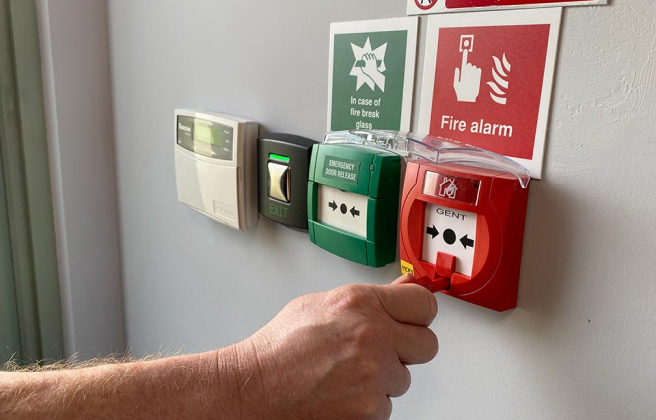
Beginning January 2025, Canadian Authorities Having Jurisdiction (AHJs) quietly added a 168-hour powered-aging dossier to the standard import package for every fire-alarm control panel. The protocol-officially referenced in the latest CAN/ULC-S527 supplement-places complete, energized PCBs in a 70 ℃ chamber for one full week while technicians log key parameters every 12 h. The goal is to mimic five-to-seven summers of rooftop or boiler-room heat before the product ever reaches a Canadian ceiling. If reference voltage, loop impedance, LCD contrast or Ethernet packet loss drifts more than ±5 %, the unit is marked "non-conforming" and the entire lot can be refused entry at the border.
Ontario's OFMEM has already issued more than forty "red-tag" letters this quarter; missing or questionable aging data was the primary reason. Importers who arrive without the report face storage demurrage, additional ULC field evaluations and postponed occupancy permits. Conversely, factories that submit a CNAS- or NVLAP-accredited 168-h certificate together with the customary CAN/ULC-S537 verification paperwork are clearing customs in one to two days and are being pre-approved for provincial vendor lists.
For exporters, the message is simple: book the aging chamber early, budget an extra US$400 per panel, and ship the report as a mandatory appendix. The upfront cost prevents weeks of downstream delay and positions your brand as a long-term reliability partner in Canada's 2025 smart-building boom.


